

PLM and Digital Transformation: A Synergistic Approach
- Alex
- Oct 4, 2023
- 2 min read

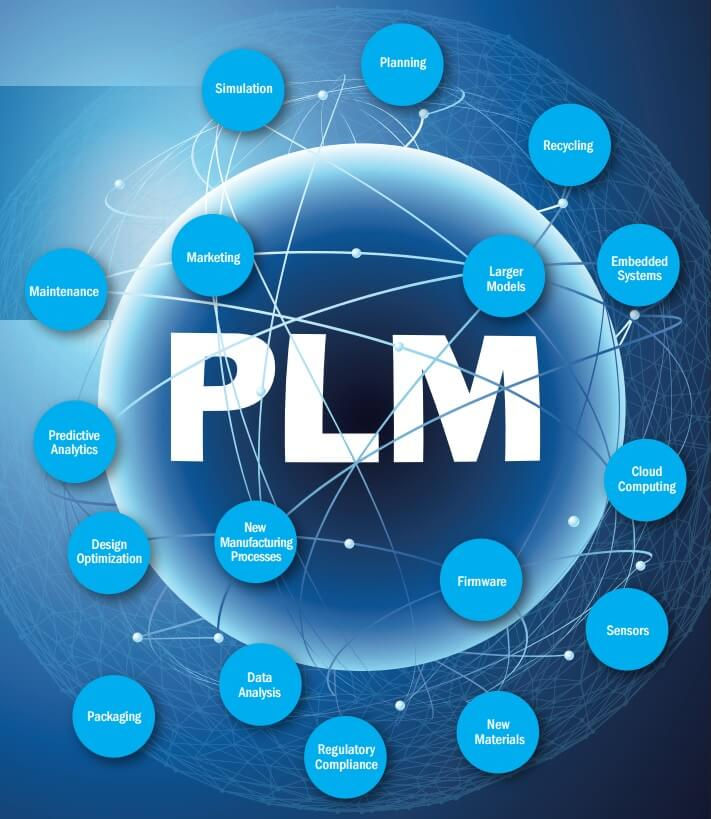
In the ever-evolving landscape of business and technology, organizations are constantly seeking ways to remain competitive, agile, and efficient. Digital transformation has become a cornerstone of this endeavor, enabling companies to leverage cutting-edge technologies to revolutionize their operations. One vital component of this transformation is the integration of Product Lifecycle Management (PLM) systems. In this blog, we will explore how the synergy between PLM and digital transformation is driving innovation and success in various industries.
Understanding Digital Transformation
Before we delve into the role of PLM in digital transformation, let's clarify what digital transformation entails. Digital transformation refers to the integration of digital technology into all aspects of a business, fundamentally changing how it operates and delivers value to customers. It involves the use of technologies like artificial intelligence, the Internet of Things (IoT), big data analytics, and cloud computing to enhance processes, improve decision-making, and drive innovation.
PLM as a Catalyst for Digital Transformation
1. End-to-End Visibility
PLM systems provide a unified platform for managing all product-related data throughout its lifecycle. This includes design specifications, manufacturing processes, quality control, and maintenance records. By connecting these data points, organizations gain complete visibility into their product development and manufacturing processes. This visibility forms the foundation upon which digital transformation can be built.
2. Data-Driven Decision Making
Digital transformation relies heavily on data analytics. PLM systems gather and consolidate vast amounts of data, enabling organizations to leverage advanced analytics to derive valuable insights. These insights can inform strategic decisions, improve product designs, optimize supply chains, and enhance customer experiences.
3. Collaborative Innovation
Digital transformation often involves breaking down organizational silos and fostering collaboration across departments. PLM systems facilitate collaboration by providing a centralized platform where teams from various disciplines can work together seamlessly. This collaborative approach fuels innovation, as cross-functional teams can share ideas, iterate on designs, and develop new products more efficiently.
4. Agility and Adaptability
In a rapidly changing business environment, agility is paramount. PLM systems, integrated with digital technologies, allow organizations to respond swiftly to market shifts and customer demands. Whether it's adjusting production schedules, launching new product variations, or optimizing processes, the synergy of PLM and digital transformation enhances a company's ability to adapt.
Real-world Applications
Let's explore how this synergistic approach is applied in real-world scenarios:
1. Aerospace Industry: Leading aerospace companies integrate PLM systems with digital twins, creating virtual replicas of physical products. This allows for real-time monitoring and analysis of aircraft performance, leading to safer and more efficient flights.
2. Manufacturing: Manufacturers leverage IoT sensors and PLM systems to monitor equipment performance and predict maintenance needs. This minimizes downtime and reduces operational costs.
3. Healthcare: Medical device companies use PLM systems and digital transformation to accelerate the development of innovative healthcare solutions, ensuring faster access to life-saving technologies.
The marriage of PLM and digital transformation is a powerful synergy that propels organizations toward greater efficiency, innovation, and competitiveness. By leveraging PLM as the foundation for their digital transformation efforts, businesses can achieve end-to-end visibility, data-driven decision-making, collaborative innovation, and enhanced agility. In a world where adaptability and innovation are the keys to success, the combination of PLM and digital transformation forms a potent strategy that propels companies into a brighter, more dynamic future. It's not just a technological evolution; it's a revolution in how businesses operate and thrive in the digital age.
Comments